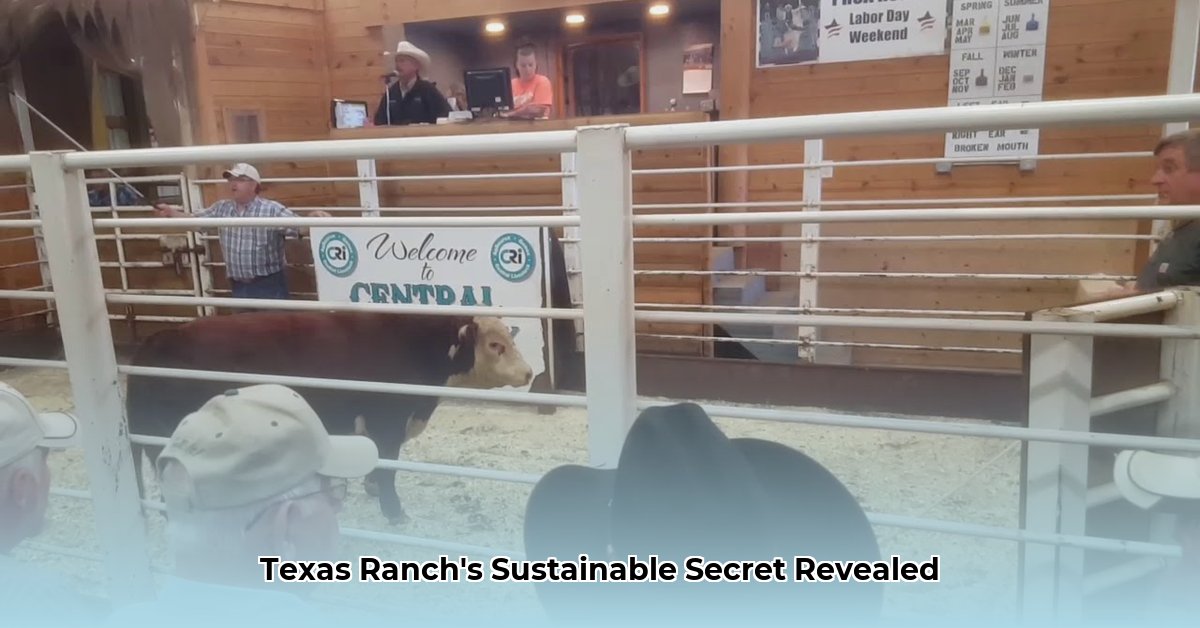
Caldwell Livestock Auction: A Texas Success Story Facing Sustainability Challenges
Caldwell Livestock Auction enjoys a strong reputation in the Texas livestock industry, known for its customer service and competitive pricing. However, a closer examination reveals a critical area for improvement: transparency regarding sustainable agricultural practices. While their operational efficiency is undeniable, a lack of publicly available data on environmental impact hinders a comprehensive sustainability assessment. For similar operations, see the Abilene Auction case study. This case study analyzes Caldwell's current practices, identifies sustainability gaps, explores challenges and opportunities, and proposes actionable steps for a more sustainable future. The question remains: How can Caldwell leverage its success to become a leader in sustainable livestock practices?
Current Practices and the Transparency Deficit
Caldwell’s success is built on a foundation of strong customer relationships and efficient operations. However, their online presence offers limited information on key sustainability aspects. Details regarding feed sourcing, land management techniques, waste disposal methods, and energy efficiency are absent. This lack of transparency prevents a thorough evaluation of their environmental footprint. Without this data, assessing Caldwell's commitment to sustainable agriculture remains difficult. This isn't simply an oversight; it's a missed opportunity to engage a growing consumer base increasingly concerned about the environmental impact of their food choices.
Sustainability Assessment: Uncovering the Gaps
The limited public information creates significant knowledge gaps, including:
Feed Sourcing: Understanding the origin and sustainability of animal feed is paramount. Are locally sourced, sustainable feeds prioritized to minimize transportation emissions and support local farmers? This directly impacts the overall carbon footprint of the livestock operation.
Land Management: What soil conservation methods are employed? How is water usage managed to minimize environmental impact? Are biodiversity considerations integrated into land management strategies? These practices significantly influence long-term land health.
Waste Management: How is manure and other waste managed to minimize pollution and maximize resource recovery? Effective waste management is crucial for reducing environmental impact and promoting circular economy principles.
Energy Efficiency: What strategies does Caldwell employ to improve energy efficiency across its operations? Are renewable energy sources considered? Reducing energy consumption lowers greenhouse gas emissions and operational costs.
These knowledge gaps highlight the urgent need for increased transparency. Without concrete data, a comprehensive assessment of Caldwell's environmental performance remains impossible.
Challenges and Opportunities: The Path to Sustainable Growth
Transitioning to sustainable practices presents considerable challenges:
Financial Investment: Implementing new technologies and infrastructure requires significant upfront investment, potentially straining resources.
Market Dynamics: While consumer demand for sustainable livestock products is growing, it's not yet universally dominant. The market may not fully reward sustainable practices yet, making initial investments less attractive.
Technological Limitations: Sustainable technologies suitable for all scales of operation may not yet be readily available or cost-effective.
However, the opportunities are equally significant:
Enhanced Brand Reputation: A commitment to sustainability enhances brand image, attracting environmentally conscious consumers.
Access to New Markets: Many markets actively seek sustainably produced goods. This expands market reach and creates a strong competitive advantage.
Long-Term Financial Sustainability: While initial costs are substantial, sustainable practices often lead to long-term cost savings through increased efficiency and reduced waste.
Actionable Intelligence: A Roadmap for Sustainability
Caldwell can take several actionable steps to improve its sustainability profile:
Conduct a Comprehensive Sustainability Audit: A thorough audit, ideally conducted by an independent third party, establishes a baseline and identifies improvement areas. This provides a roadmap for future action.
Implement Key Performance Indicator (KPI) Tracking: Establish a system to monitor key sustainability indicators (e.g., water usage, energy consumption, methane emissions). Data-driven decision-making improves efficiency and accountability.
Develop Transparent Reporting Mechanisms: Publicly share sustainability data and progress reports. This builds transparency and trust with consumers, investors, and the community.
Engage with Stakeholders: Collaborate with farmers, environmental organizations, and other stakeholders. Shared experiences and insights make for more effective strategies.
Market Research and Competitor Analysis: Analyze current market trends and competitor strategies to identify best practices and differentiate Caldwell's approach. This ensures the improvements are aligned with market demands.
Conclusion: A Sustainable Future for Caldwell Livestock Auction
Caldwell Livestock Auction has a significant opportunity to lead the transition to sustainable agriculture in Texas. By embracing transparency, investing in data-driven improvements, and actively engaging stakeholders, Caldwell can position itself as a leader in responsible livestock production. This commitment is not only environmentally responsible but also strategically sound, paving the way for long-term business success and community well-being. The journey towards sustainability requires ongoing effort, but the benefits are invaluable.